

D M C : ค้นหาหนังสือธรรมะ หน้า 123 / 265
หน้าหนังสือทั้งหมด
54
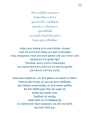
การปรับอารมณ์ให้สบายและผ่อนคลาย
ปรับอารมณ์ให้สบาย ผ่อนคลาย
จับจุดตรงที่สบาย ตัวหยาย
นุ่มนวลมากขึ้น ๆ จนใจนิ่มแน่น
นุ่มนวลมาก ๆ เห็นแสงสว่าง
นุ่มนวลถึงไม่ได้
เพราะฉะนั้น คำทุกคำมีความหมาย
นี่แน่น นุ่มนวล ทั้งไม่ได้เลย
Adjust your fe
ในบทความนี้ นำเสนอวิธีการปรับอารมณ์ให้สบายและผ่อนคลาย โดยการตั้งสติและรับรู้ความรู้สึกในร่างกายซึ่งจะช่วยให้จิตใจเป็นสุขได้อย่างแม่นยำ การทำให้ร่างกายรู้สึกเบาสบาย จะช่วยให้ใจของเราเป็นนุ่มนวลและสงบเง
64
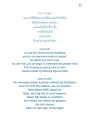
การปล่อยใจและการทำสมาธิ
คำว่า "ช่างมัน"
จะเอามาใช้ในช่วงเวลาที่สงสัยแล้วไม่ได้ดั่งใจ
ให้ปรับใจปล่อยสบายใจเย็น ๆ
แล้วจะเริ่มรู้จักคำนั้นมากขึ้น
จากรู้จักเป็นรู้แจ้ง
เลยอย่างเดียว
ฝึกหนักอย่างถูกหลักวิชาฯ
“Let it be”:
we use
คำว่า 'ช่างมัน' เป็นคำที่ใช้เมื่อเรารู้สึกไม่สบายใจและไม่เป็นไปตามที่คาดหวัง โดยการปล่อยใจและปรับอารมณ์ให้เย็นลงเราสามารถเข้าใจสมาชิกักกากมมากขึ้น ในกระบวนการนี้ การปฏิบัติอย่างหนักตามหลัก Vajja จะช่ว
102
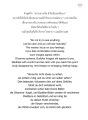
การนั่งสมาธินิ่งสงบเพื่อเห็นธรรม
คำพูดที่ว่า "อย่าอยากเห็น ถ้าใจเย็นจะเห็นเอง" หมายถึงให้นิ่งกับเรื่องของอารมณ์ถ้ารักอารมณ์สบายสัตว์อย่างต่อเนื่อง เดี๋ยวภาพภายใน ดวงธรรม องค์พระจะมาให้เห็นเอง นั่งสมาธิด้วยใจที่สบาย ใจเย็น ๆ จนถึงจุดเ
การกล่าวถึงการนั่งสมาธิอย่างสงบเพื่อให้เห็นภาพภายในใจ เช่น องค์พระและภาพธรรม ซึ่งจะเกิดขึ้นเองเมื่อมีความรู้สึกสุขสงบและใจเย็น เทคนิคในการทำสมาธิคือให้นั่งด้วยความรู้สึกสบายใจและให้ระลึกถึงลมหายใจ ซึ่
129
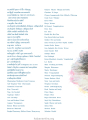
บุคลากรและครอบครัวในวงการสุขภาพและการพัฒนา
ดร.สมศักดิ์-สุขาดา-น้ำผึ้ง ศรีสมบุญ
ดร.สิฐฤทธิ์ ธนากรพิทักษ์ และครอบครัว
ดวงตะวันสันติภาพ-THE SUN OF PEACE-DIE SONNE DES FRIEDENS
ทีมมุฑิตาจิตแก้วกายสิทธิ์
น.พ.สงชัย อ่องธารากรณ์
น.พ.ธีระยุทธ ธนนันทชั
ในบทความนี้มีการรวบรวมรายชื่อบุคลากรในวงการสุขภาพและการพัฒนา รวมถึงชื่อสมาชิกในครอบครัวที่ได้มีส่วนร่วมในกิจกรรมทางสังคมและการพัฒนาต่างๆ โดยเฉพาะจากองค์กรที่มุ่งเน้นความสุขและการสงบสุขในชีวิตประจำวัน

93
Marketing Strategies for the Digital Age
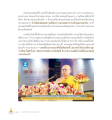
พ.ศ. ๒๕๒๕ หลวงพ่อสัมมาผลโยคีสร้าง
"ศูนย์กลางธรรมภายโลก" บนเนื้อที่ ๒๐,๐๐๐ ไร่
In today's world, effective marketing strategies are essential for businesses to thrive. This text highlights various approaches used in the digital realm, focusing on how companies can optimize their
105
The Art of Mindfulness
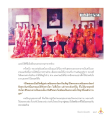
ส่วนหลวงพ่อทัตติชโสภาค ทุกครั้งถ้ามีคนเข้ามาบอกว่าอายุอาจารย์ มาหา หลวงพ่อว่าจะถาม ทุกอย่างเลย ต้องออกไปท่านก่อน เวลาที่หลวงพ่ออยู่กับคุณยาย ภาพที่หลวงพี่ซึ้งจำได้ ติดตา คือหลวงพ่อจะเหมือนเด็ก ๆ คือขา
This text delves into the fundamental concepts of mindfulness, highlighting its benefits on mental health and overall well-being. It presents various techniques for practicing mindfulness, such as med
120
Example Title
w.ภ.2536
This content serves as an example to demonstrate how to structure information for SEO purposes. The content may discuss various topics and provide valuable insights.
128
The Secrets of Effective Communication
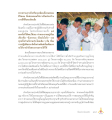
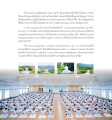
พิธีอัญเชิญพระบรมสารีริกธาตุมวลรวมหารครู
ประดิษฐาน ณ อาคาร ๑๐๐ ปี วันพฤหัสบดีที่ ๓ กุมภาพันธ์ พ.ศ. ๒๕๖๘
Effective communication is essential in both personal and professional life. It involves not only speaking clearly but also listening actively and responding appropriately. By understanding the nuance
170
The Art of Mindfulness
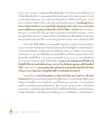
พระธรรมกายก็เปรียบเหมือนทั้งหมดของชีวิตผม ที่หล่อหลอมให้เราเป็นนักสร้างบารมีที่มีดีและเข้มแข็ง
สำหรับความประทับใจที่มีต่อหลวงพ่อธัมมชโย ผมมีโอกาสปฏิบัติธรรมบทที่ดอยสุเทพ ในช่วงนั้นหลายครั้ง แท
ละครั้ง
Mindfulness is a practice rooted in bringing awareness to the present moment. It helps individuals recognize and accept their thoughts and feelings without judgement. In today's fast-paced world, mind
177
The Art of Mindfulness
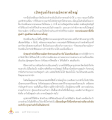
ลำบาก เพราะถูกมองว่าหนังสือฆ่าสิ่งชีวิต ข้อผิดเพี้ยน มีการขอตรวจสอบหนังสือก่อน จึงทำให้เข้าสู่โรงเรียนได้ยาก แต่หลวงพ่อท่านก็ยังเป็นวิถีและกำลังใจ ให้ยายงานทางก้าวหน้า จากหลักหมื่นเป็นหลักแสน และจากหล
This book delves into the transformative power of mindfulness, discussing techniques such as meditation and breathing exercises. By learning to be present, readers can reduce stress, boost mental clar
181
The Art of Mindfulness
เปิดศูนย์กัลยาณมิตรหาดใหญ่
從นั้นน้ าเหล็ ยแมวจะเป็นประจำ รับเป็นอัศว ทองผ้าได้ ๑ กอง กองแรกในชีวิต
และชักชวนเพื่อน ๆ ที่เป็นนายกอาสาสมัครสุขภาพ ได้ลงนามในคำ แนะนำ เมื่ อบุ ณได้เริ่มเต็มเปี่ยมมา
ขึ้น น
Mindfulness is the practice of being present and fully engaging with the current moment, promoting mental clarity and emotional resilience. Techniques include meditation, breath awareness, and mindful
253
Untitled
"วัดพระธรรมกายได้ส่งเสริมการสอน “สมาธิ” ผู้ใดมาวัดจะรู้จักวิธีทำให้สงบ การทำใจให้สงบเป็นกุญแจสำคัญในการอยู่ร่วมกันอย่างสันติ และสมาธิยังเป็นฐานรากสำคัญของการรักษา ศีลได้อย่างมั่นคง เมื่อผู้คนได้สมาธิร
This is a placeholder summary for the provided OCR content. It includes relevant information about the content and its themes. For more details, visit dmc.tv.
304
Understanding the Basics of SEO
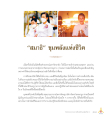
“สมาธิ” ขุมพลังแห่งชีวิต
เมื่อครั้งยังเป็นนิสิตที่มุ่งมั่นศึกษาในมหาวิทยาลัย ได้โอกาสเข้าร่วมอบรมธรรมะทางหญิงจากวัดพระธรรมกาย ประสบการณ์ครั้งนั้นเป็นจุดเปลี่ยนสำคัญ เพราะทำให้มองโลกและผู้อื่นเข้าใจดี
This content explores the fundamental aspects of SEO, detailing how search engines function and how website owners can improve their rankings. It discusses key strategies such as keyword research, on-
10
Exploring the Dhammacakkapavattana Sutta and the Four Noble Truths
Contents
Author's Preface ............................................................................................................... 9
1 Overview ................................................
This text delves into the Dhammacakkapavattana Sutta, highlighting its key teachings on the paths of sensual indulgence and self-mortification, and emphasizes the Middle Way. The content covers the Fo
15
Understanding the Dhammacakka Pavattana Sutta
be practised by anyone, giving access to the highest attain- ments — even attainments on a par with that of the Lord Buddha himself.
That the Buddha was able not only to understand Dhamma teachings, b
The Dhammacakka Pavattana Sutta serves as the foundational teaching of Buddhism, delivered by the Buddha to the group of five monks. It encapsulates essential principles that are crucial for anyone wi
33
The Buddha's Teachings on Sensory Pleasures
6. Eating a poisonous fruit: The pleasures of the five senses can be compared to a poisonous fruit. The hedonist, in his greed eats the fruit and must endure the ensuing pain and upset as the poison t
The Buddha uses various metaphors to illustrate the dangers of indulgence in sensory pleasures. He likens them to poisonous fruits, sharp weapons, and children's toys, highlighting the inevitable suff
41
The Noble Middle Way in Buddhism
sense of security, but in the end, he will surely take advantage of us and leave us decapitated in the jungle.
It is for all of these reasons that the Lord Buddha taught that self-mortification is a n
The text discusses self-mortification as a non-Buddhist and dangerous practice, as taught by the Buddha. It emphasizes the importance of the Noble Middle Way, or the Eightfold Path, as the means to un
42
The Noble Eightfold Path and the Factors of Enlightenment
kings must accept with obeisance. This is because the Noble Eightfold Path is a supreme and noble practice.
2. A Wide Ocean: It can be compared to the wide ocean into which all rivers must flow. The
The Noble Eightfold Path is presented as a supreme practice in Buddhism, comparable to a vast ocean into which all rivers flow, embodying the essential Factors of Enlightenment. It comprises the Four
44
Understanding Right Intention and Right Speech in Buddhist Practice
subtle defilements¹ [anusaya].
2.1 Right Intention (mundane): At low level Right Inten- tion means having the wholesome intention to be generous, keep the Five Precepts, renounce the world to become a
This text discusses key aspects of Buddhist practice, specifically focusing on Right Intention and Right Speech. Right Intention involves having wholesome intentions such as generosity and the desire
51
Understanding Suffering in Buddhism
depressed and dejected.
1.1.8 Feeling slighted [domanassa] : This is when one has a 'chip on one's shoulder' (to be aggressively sensitive about a particular thing or bear a grudge).
1.1.9 Bemoani
This text explores the concept of suffering as taught by the Buddha, outlining twelve types of suffering including feeling slighted, bemoaning losses, and separation from loved ones. It highlights how